Hello there,
this is a compilation of experience gained using the Sigma DP2 Merrill camera.
The DP2 is (permanently) equipped with the 30mm lens, the DP1 Merrill features the 19mm and the DP3 the 60mm. The rest are common for the three models.
Since it is a power hungry camera, with the 3-layer APS sized Foveon sensor, its slow in-camera proccessing and unloading of 50mb+ raw data per capture to the sd card, it was sold with 2 (fit-in-a-matchbox-size, 1250mAh) batteries, called BP-41, another unique feature, and for good measure!
The reason being that size-wise the Sigma DP1,2,3 Merrill is give-or-take similar to the Nikon 1 V1 size, slightly larger than a Sony a5100, and either the Sigma designers and engineers got lazy or its body could not indeed accomodate a larger battery (though the Nikon V1 with the 1” sensor uses the EN-EL15, same as the D800).
Plus, they are rather vulnerable to external temperature (many times an exhausted battery comes back to almost 30% -but not for long- with a 15-minute warm storage), the small size obviously leaves little room for thermal isolation.
So I immediately purchased extra batteries and always carry at least three with me – they are black and easy to lose, so some color sticker on them would help indeed!

Ok, so I took a picture, and I’m moving on to a new angle to shoot again within a minute or two. If I put the lens cover on and don’t turn off the camera first, the drain on the battery is incrased considerably. Reason for this might be that the camera continues metering and ups the iso on the sensor for the dark subject (noticed that when I suddenly remove the cover the screen goes all white for a second). So, if another shot is coming, I prefer not to put the cover on, having that blower ready for the inevitable dust.
Another good feature the wise tortoise boasts, that can save a lot of battery (and partial cure for the previous paragraph), is useful when there is downtime between shots. After taking the picture, I press the power button to turn off the camera and I put it in the bag. The Sigma stays on until writing to the card is completed and then shuts down itself. This way I observed longer battery life (does it meanwhile turn the sensor off?).
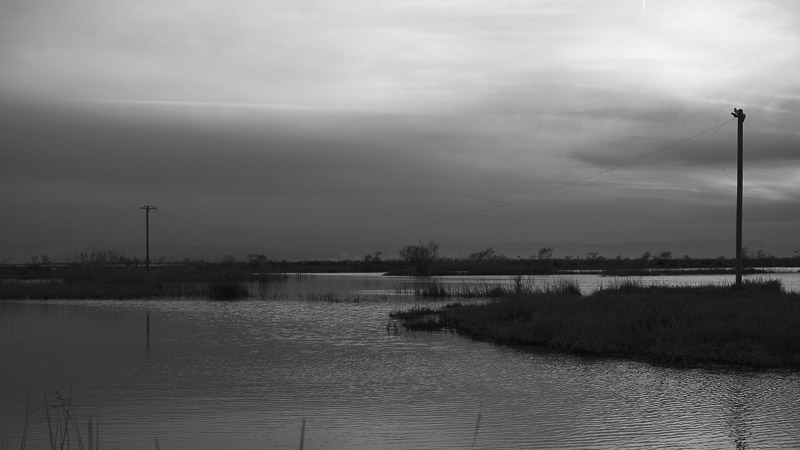
Overall, the image quality (with meticulous care taken), the feature set, the shooting controls available (proper customization of the QS button to one’s needs is a nessecity) dictate a laid-back approach to photography, although with a bit of gambling you could push ‘er into bw street photography!
Of course card writing times are slow, even on fast cards, and may take up to a minute for 3-4 rapid shots (raw). Thankfully, the camera is responsive during the storing phase, but it’s definitely not made for fps.
After seven+ years of use (and some misuse), I discovered yesterday tha one of the (the camera’s) screws is MIA! So I grabbed that little screwdriver just in case and tightened all the visible screws (and saw that about half of them were a little loose). So, from time to time, it is advised to check the body (who knows what comes next!).

The software Sigma provides for decoding the .x3f raw files, Photo Pro, is rather slow, with certain peculiarities, and the only chance you’ve got. This becomes more frustrating as images pile up, especially if one is not much into post proccessing. It is updated as regularly as newer Sigma cameras are introduced.
Since I don’t update my pc frequently, and have ended in fall of 2020 working with Core2Duo E7300 + 7Gb RAM, every new version of Photo Pro becomes slower and slower on my machine. Slow as responding in 10 second intervals and taking at least 1 minute for exporting 1 image after all. Last version I tried was the 6.7.2 (current at 2020.11.14) and gave up, resorted to earlier 5.5 (as mentioned elsewhere as the last update for the DP2 Merrill) and will be working this way from now on. The Sigma website provides the older versions, good for them and for my sanity!

It is mentioned on forums that Foveon sensors dislike polarizers, and i intend to test this claim on the DP2, which is the last three-equal-layer Foveon. Later models (quattros etc) experiment with different layouts which may respond differently.
This post is a work in progress.
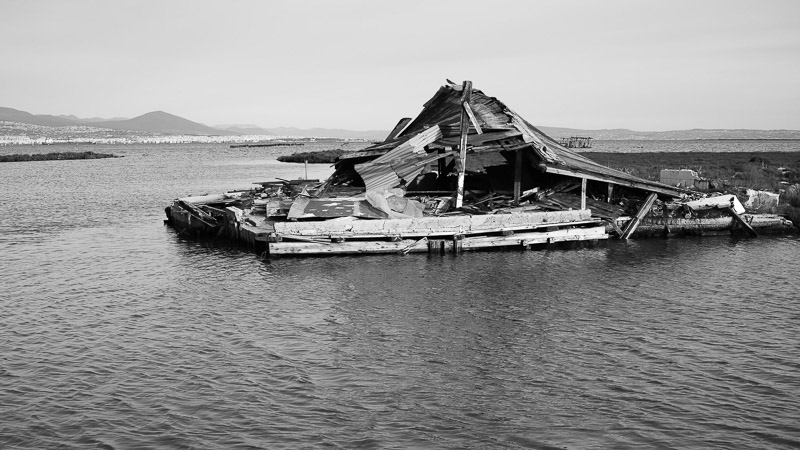
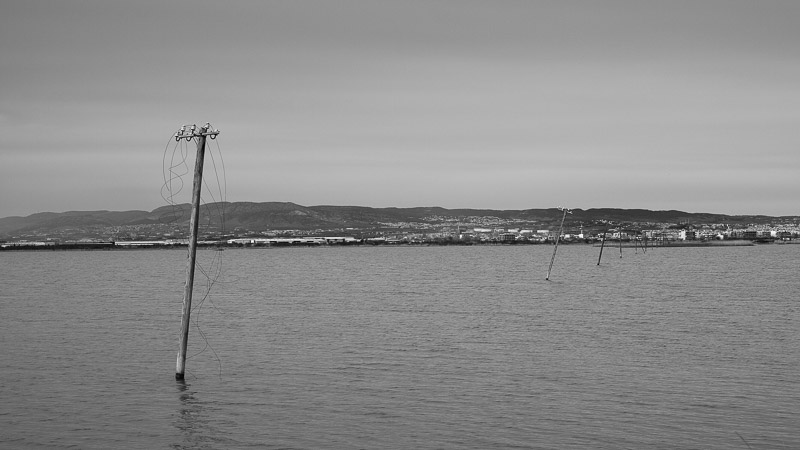
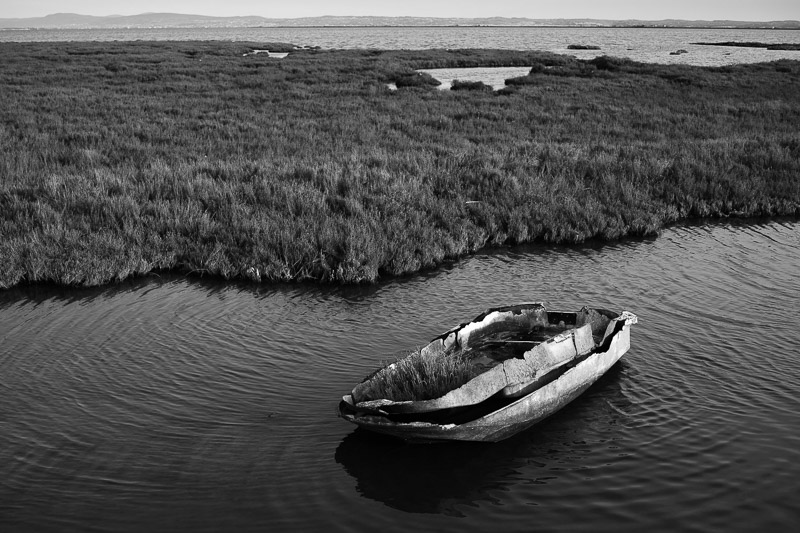
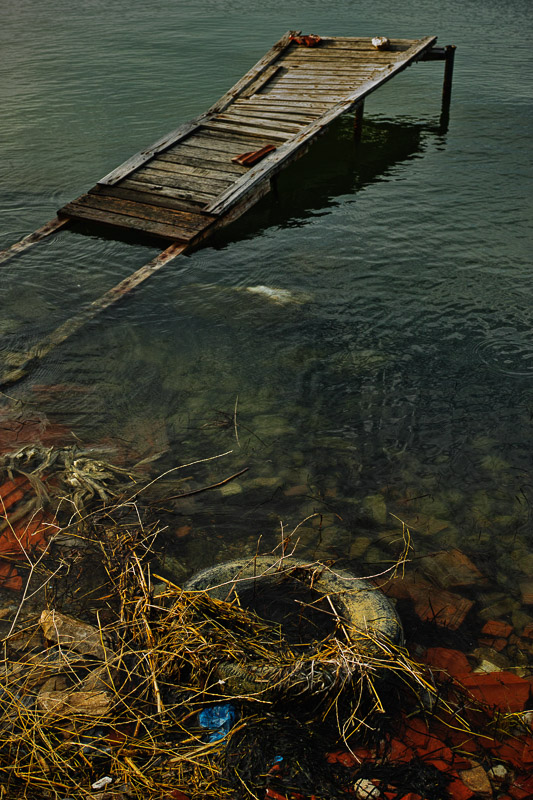
Needless to note that all images here were shot with the Sigma DP2 Merrill camera.

 Time Travel Machine Repairs